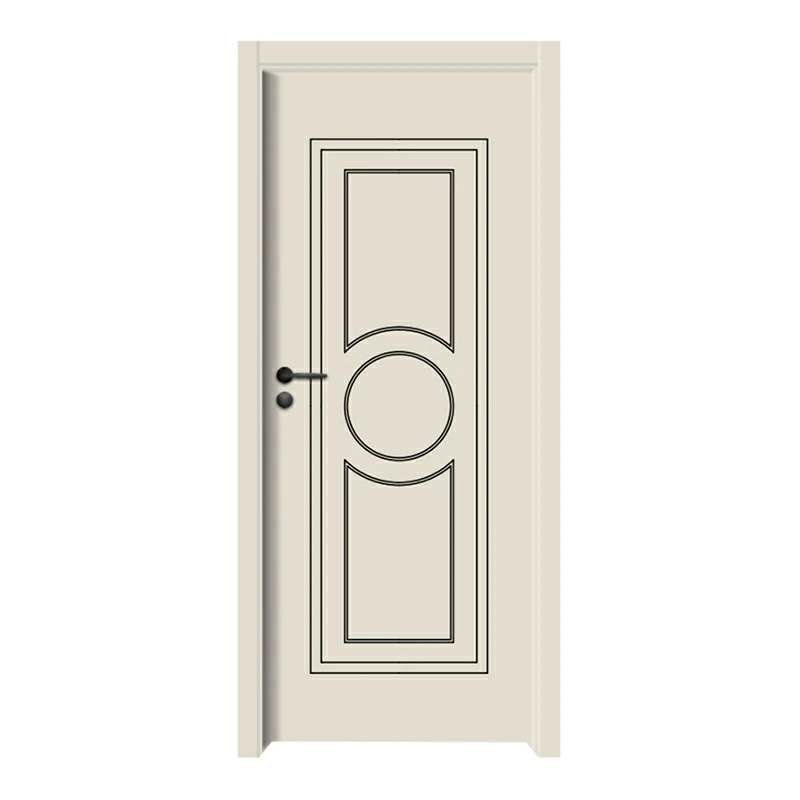

There is a common saying that if a door and a window are directly aligned, it can lead to a loss of wealth and health. When planning the placement of bedroom doors, it is important to avoid having them face a window directly. Beyond the considerations of *feng shui*, such an alignment creates a draft, which can easily lead to illness or make it difficult to keep the room warm. Furthermore, bedroom doors should ideally not face other doors. As entry and exit points for energy (*qi*), doors can bring in either auspicious or inauspicious energy; therefore, one should avoid aligning a bedroom door with the door to a kitchen, another bedroom, a bathroom, or the main entrance of the home. Such alignments can disrupt the *feng shui* related to one's career and romantic life, and may even negatively impact the health of the room's occupants.
The color of a bedroom door is generally determined by the color of the bedroom walls and the primary color scheme of the interior. The ideal door color varies depending on the overall decor style and design concept. For a modern minimalist or an ornate European-style interior, a white door is an excellent choice. White enhances the brightness of a space and is believed to promote good health and positive *feng shui*. If the home features a pastoral or rustic design, wood-toned doors are a great option; they complement a fresh, elegant aesthetic, create a sense of openness, and promote a relaxed state of mind, which is conducive to rest.
When decorating a child's room, parents often gravitate toward the most expensive materials. However, a high price tag does not necessarily guarantee suitability. When selecting a door for a child's bedroom, it is essential to make a well-rounded choice. As a key component of the room, the door must account for the unique physical and psychological needs of a child at different stages of development. The environmental safety of the door is the most critical factor to consider. Some doors fail to meet safety standards and contain high levels of harmful substances, such as formaldehyde. Experts warn that excessive formaldehyde exposure can be even more damaging to a child's hematopoietic (blood-forming) system than it is to an adult's. Therefore, when choosing a door for a child's room, one should prioritize eco-friendly, healthy wood-plastic composite (WPC) doors that are low in formaldehyde. The safety of the door is the second most important factor to evaluate. To prevent children from bumping into things, choose bedroom doors that have minimal protruding decorations or sharp corners. Ensure that metal door handles and locks are free of sharp or hard edges, and check whether they can be easily locked from the inside. For families with infants or young children, consider using protective covers for door handles and safety door stoppers to further enhance safety.